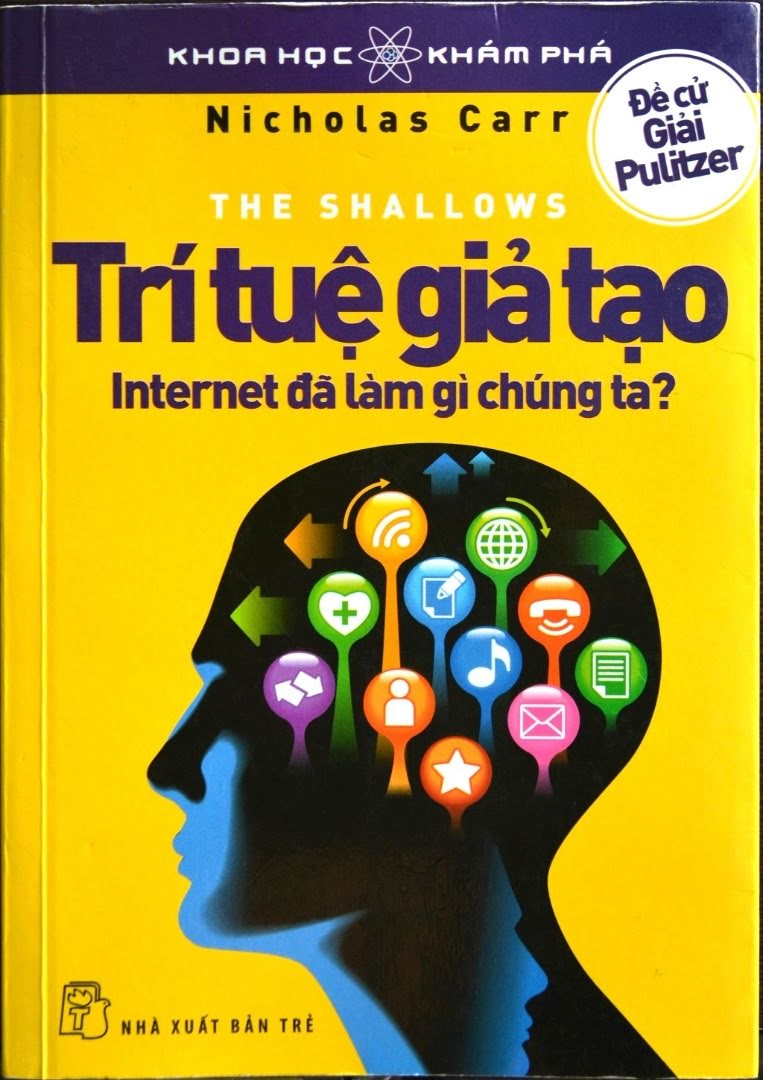
But The Shallows goes further, with research on the brain, the history of how writing and paper came about, analyses of different kinds of technology... The author seems to wander a little far from the main topic, but if readers make the effort to focus (Nicholas Carr talks quite a lot in the book about the "habit" of being distracted by technology, so maybe he wants to test his readers?), they’ll learn a great many interesting things.
Even before reading The Shallows, each of us can feel the Internet’s negative effects alongside its benefits, in those times we wander aimlessly online, jumping from one link to the next, news, Facebook, email... A brain used to the Internet always wants to get something new, quickly, constantly, and gradually finds it hard to focus deeply on books or long articles.
We crave the new even when we know that "the new is ordinary, not essential" - Christopher Chabris
Whether or not you’ve got things under control, The Shallows is an interesting experience: we’re introduced to how short-term and long-term memory work, to the growth and changes in the brain of a violinist, of a blind person, or when we browse the web or read a book... He also points out that "no one can say that the brain’s new state is a desirable one" when it has been formed by bad habits.
I bet you didn’t know that The Shallows is listed under Neuroscience and Neuropsychology on Amazon! And only once we’re deep into the book do we realise why NXB Trẻ put it in its Khoa Học Khám Phá (Science Discovery) series.
After the first few chapters, you’ll be surprised to notice that Carr has moved on to history and to the needs that gave rise to groups of technologies, then on again to analyses of language, of how writing came about and of the media made for it, from clay, scrolls, papyrus, parchment, wax tablets... and only then books. You’ll pick up some unusual knowledge, such as that at first wordswerewrittenwithoutspaces, imitating the way we speak; spaces were only "invented" later, and made reading much easier.
The author also compares traditional books and e-books, pointing out the strengths of paper books in how visual and physical they are: easy to read, and no fear of dropping and breaking them, damaging them or running out of battery... But with the experience of a long-time Kindle user, I don’t entirely agree with the author, because e-readers have strengths of their own: E-Ink technology makes them easy to read and the battery lasts a very long time, it’s easy to buy books from abroad and look up words, and you can carry lots of books with you... So in my personal view, the best way is to combine the two.
After these "history lessons" you’re brought back to the present, with computers and the Internet:
Every time we turn on our computers, we plunge into an "ecosystem of interruption technologies" - Cory Doctorow
But of course technology doesn’t only bring negatives; now and then you’ll read something brighter, such as "browsing the web uses many functions of the brain, so it may help older people stay sharper", or "playing games speeds up shifting visual focus"... So in the end, I think each of us should come back to the basic question of balancing our time across our activities and our work.
Photos from the book
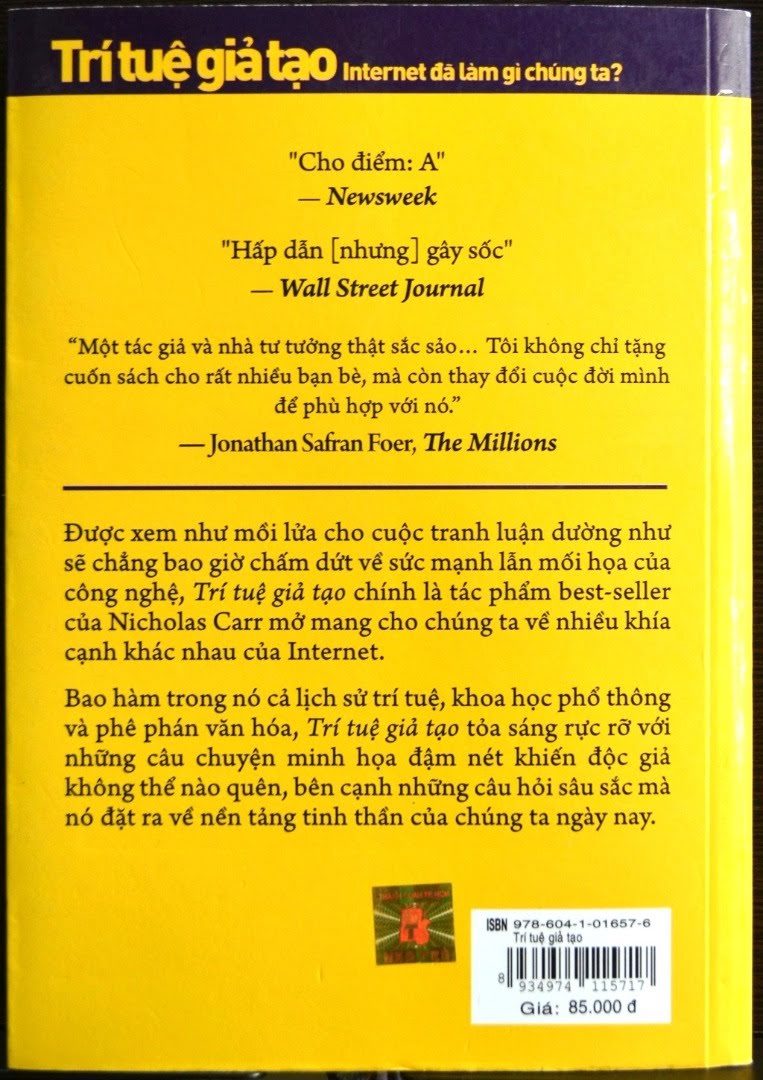 The back cover
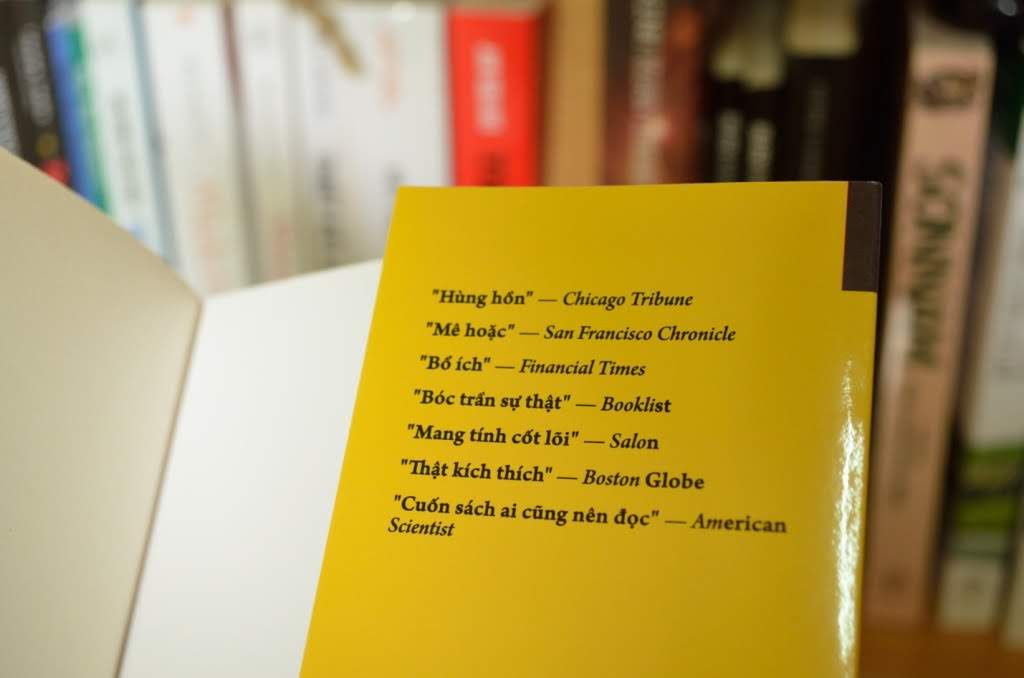 The inside flap, with praise from the press
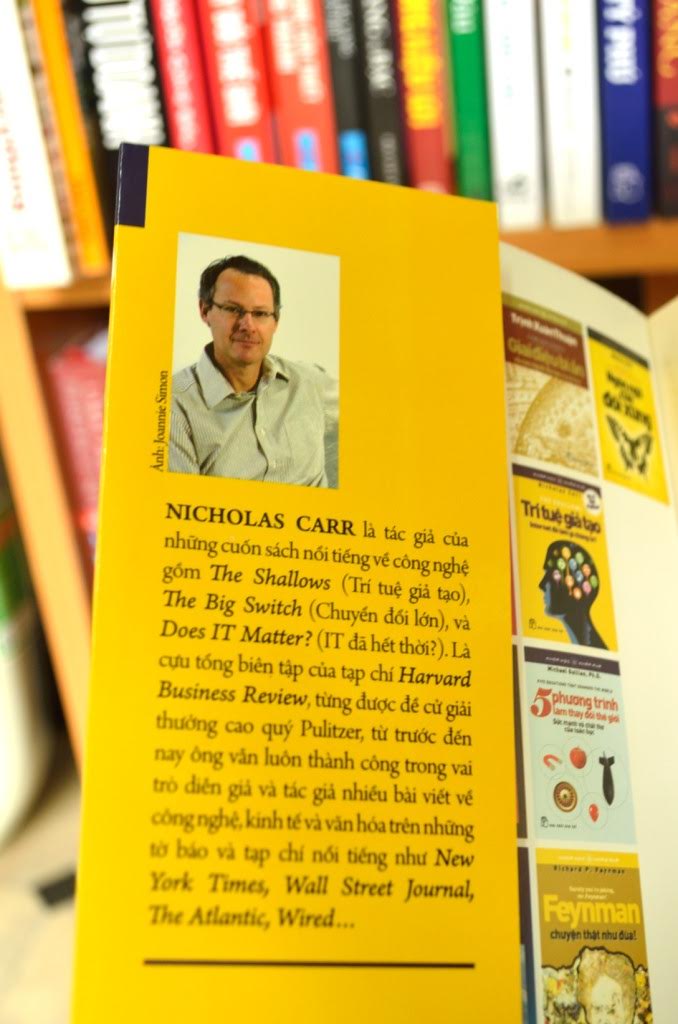 The flap about Nicholas Carr
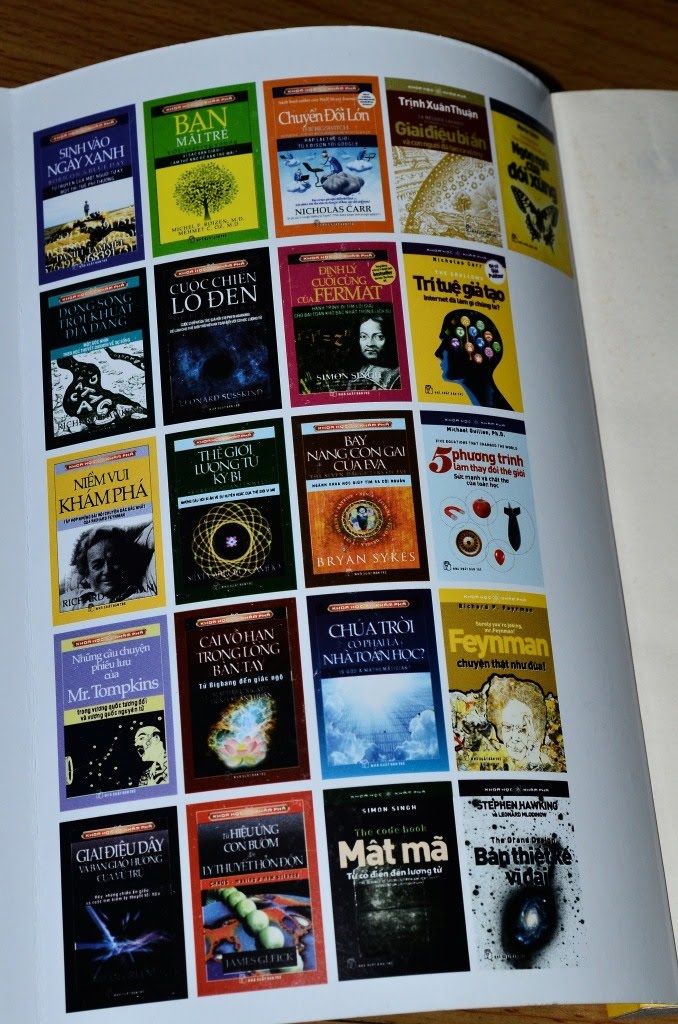 The back flap: other books in the Khoa Học Khám Phá series
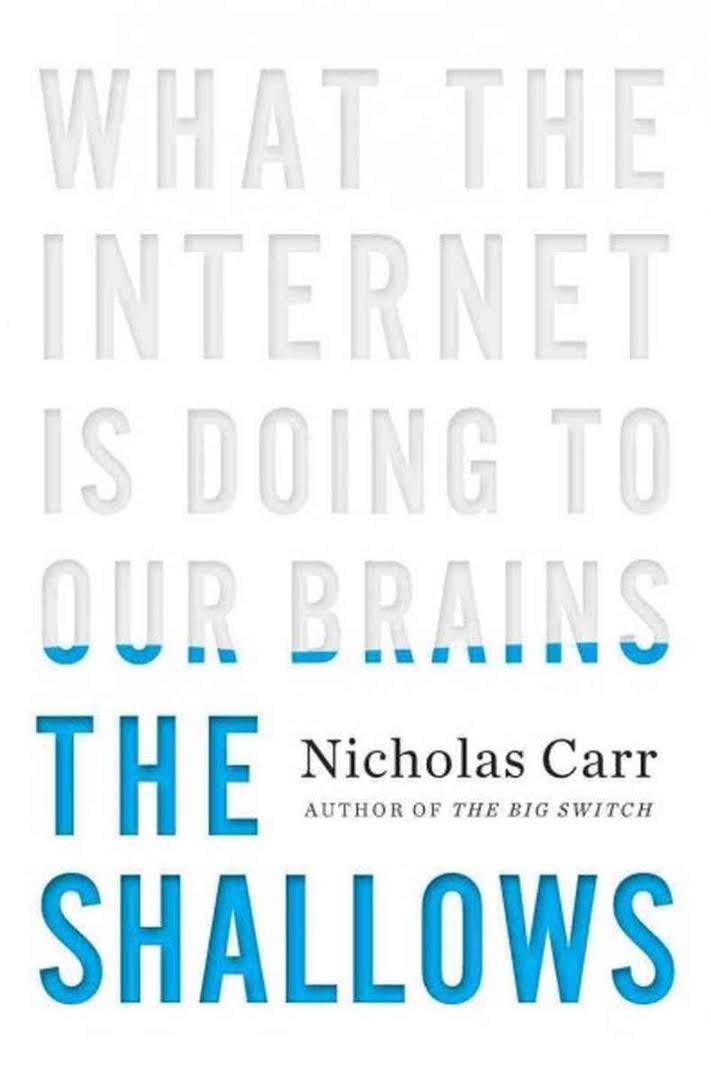 The cover of the English edition, The Shallows
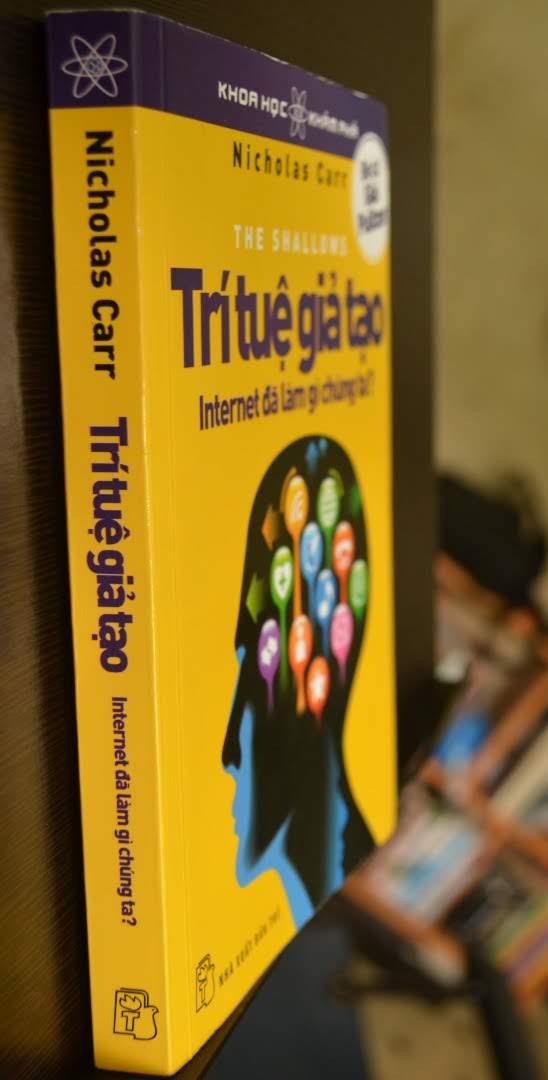 The spine and the front cover
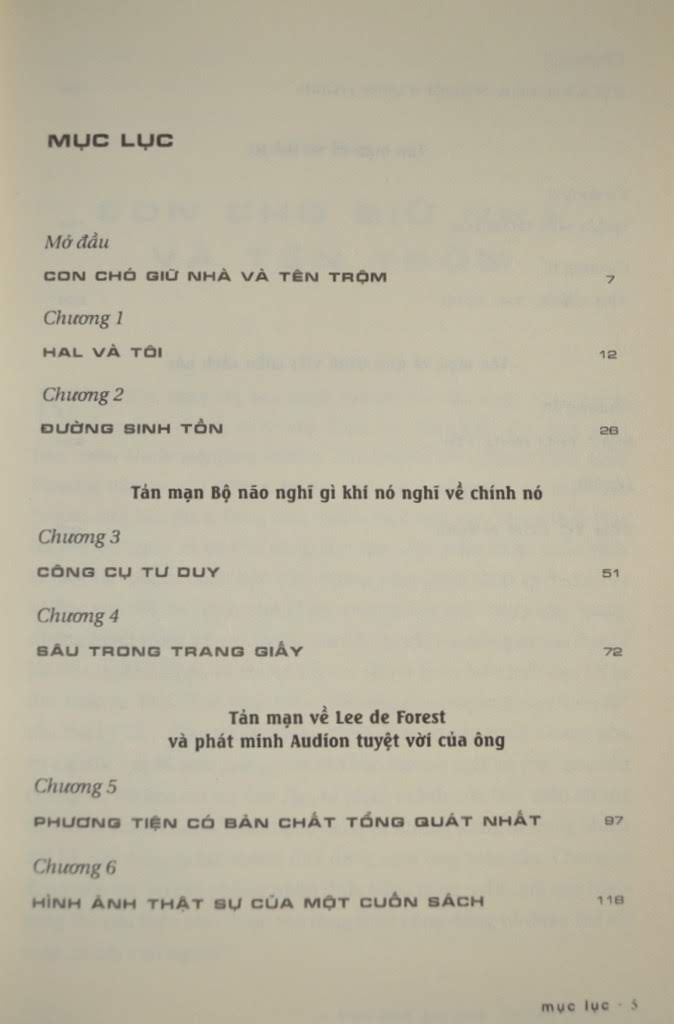 The table of contents
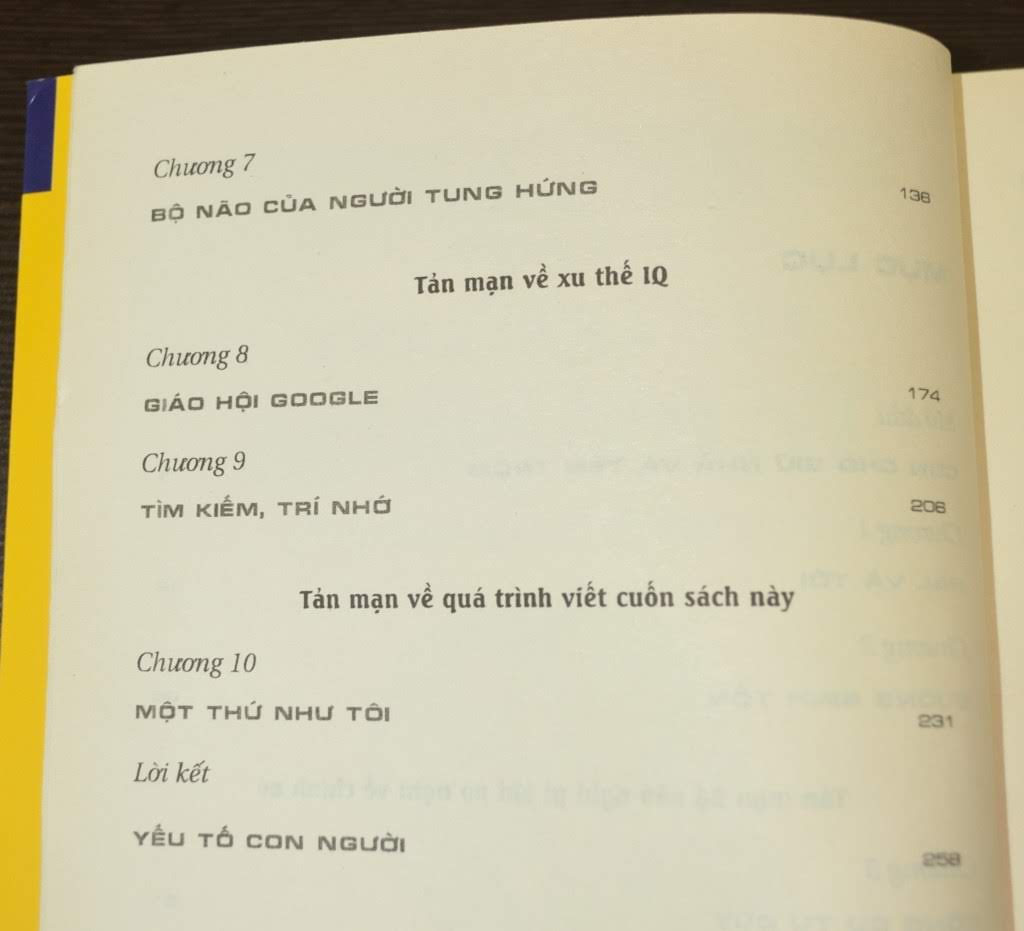 The table of contents, continued
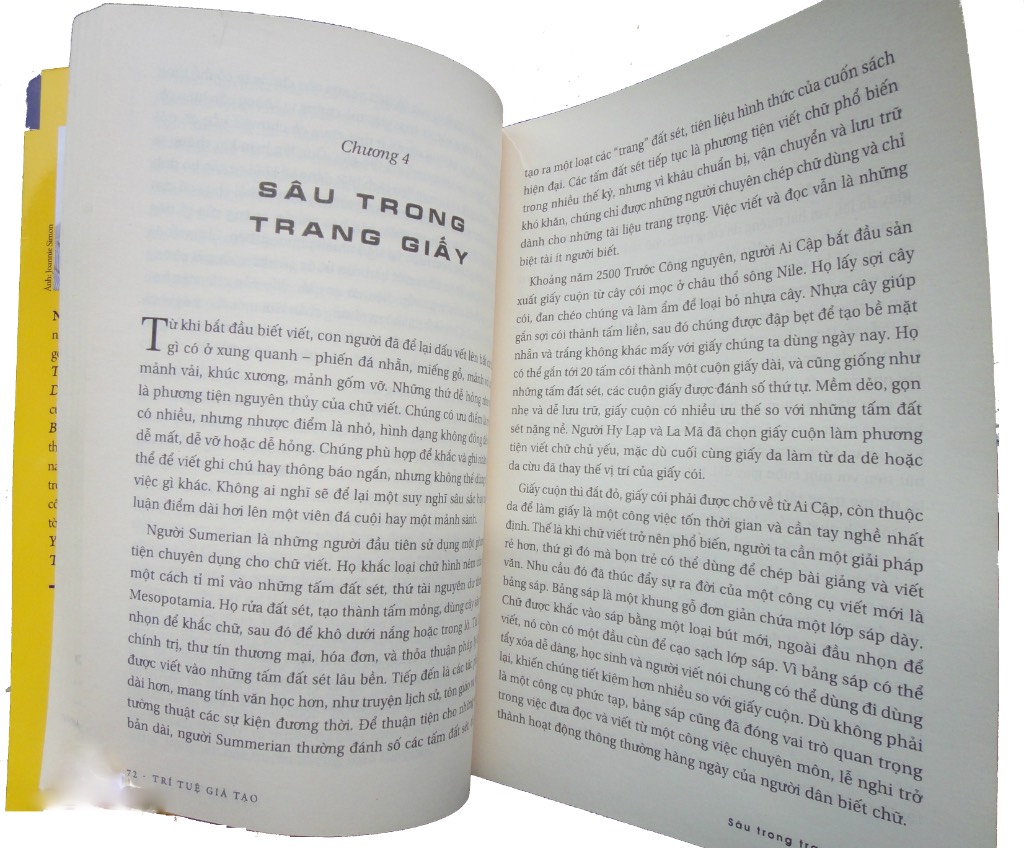 Chapter 4, “The Deepening Page”
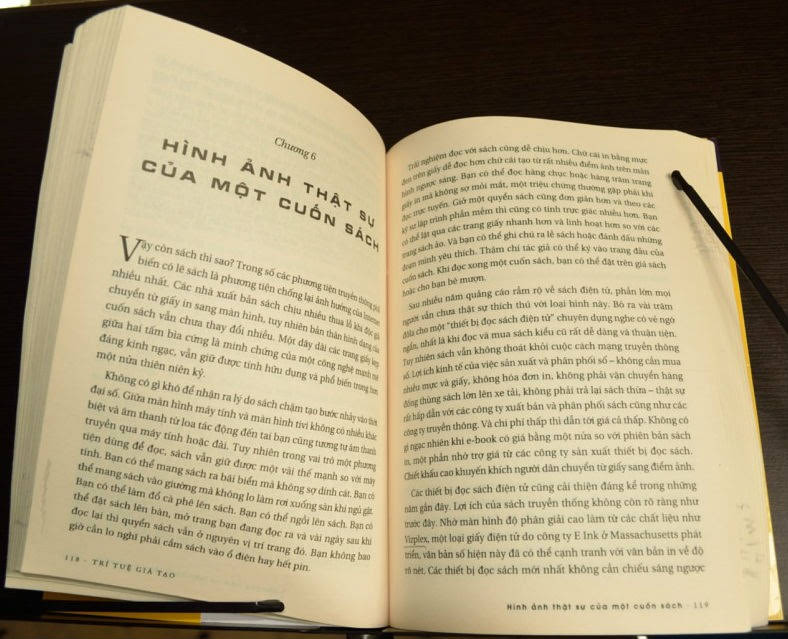 Chapter 6, “The Very Image of a Book”
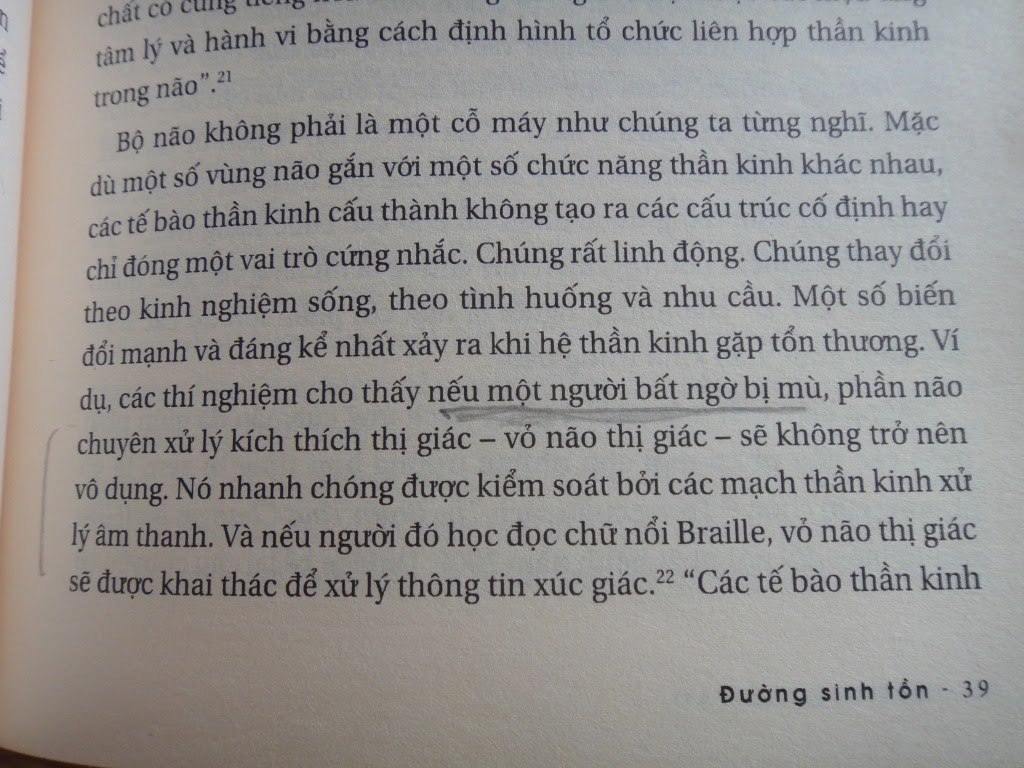 When someone suddenly goes blind, the visual cortex is put to work on sound and touch
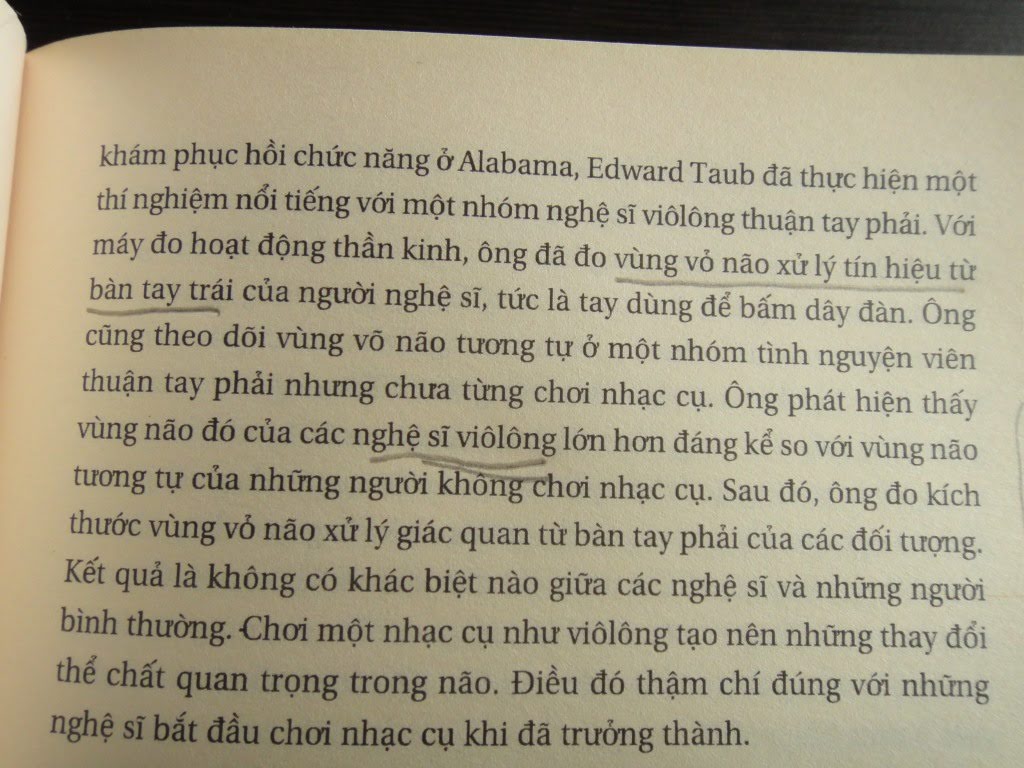 Edward Taub’s experiment with violinists
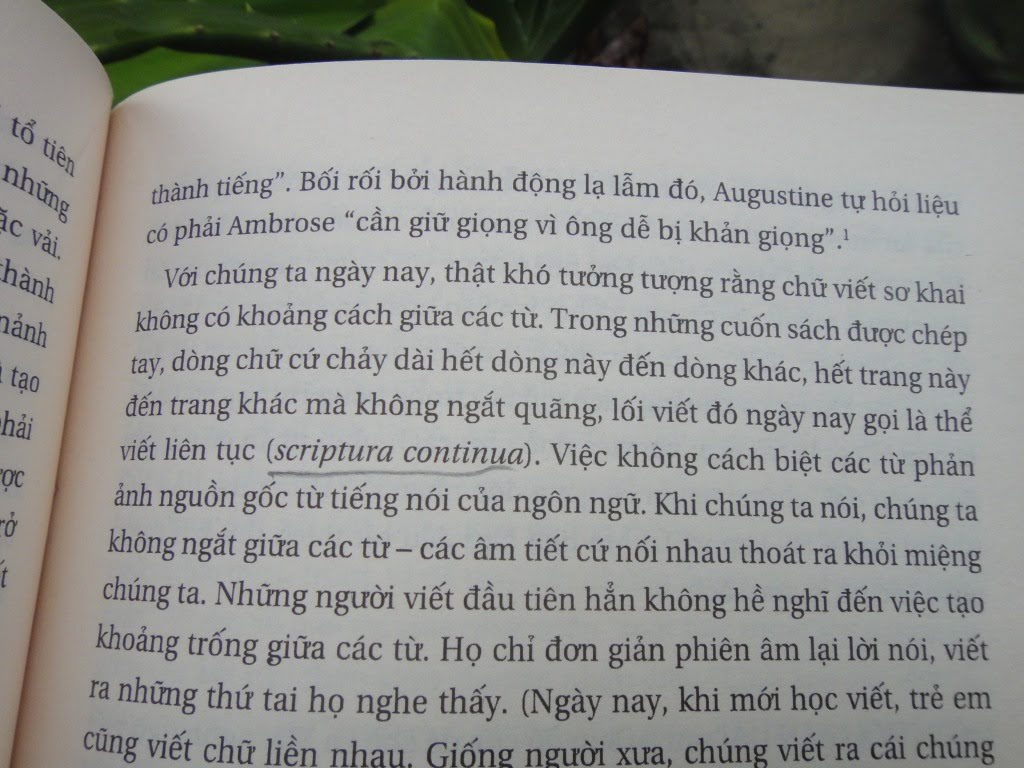 Writing without spaces between words (scriptura continua)
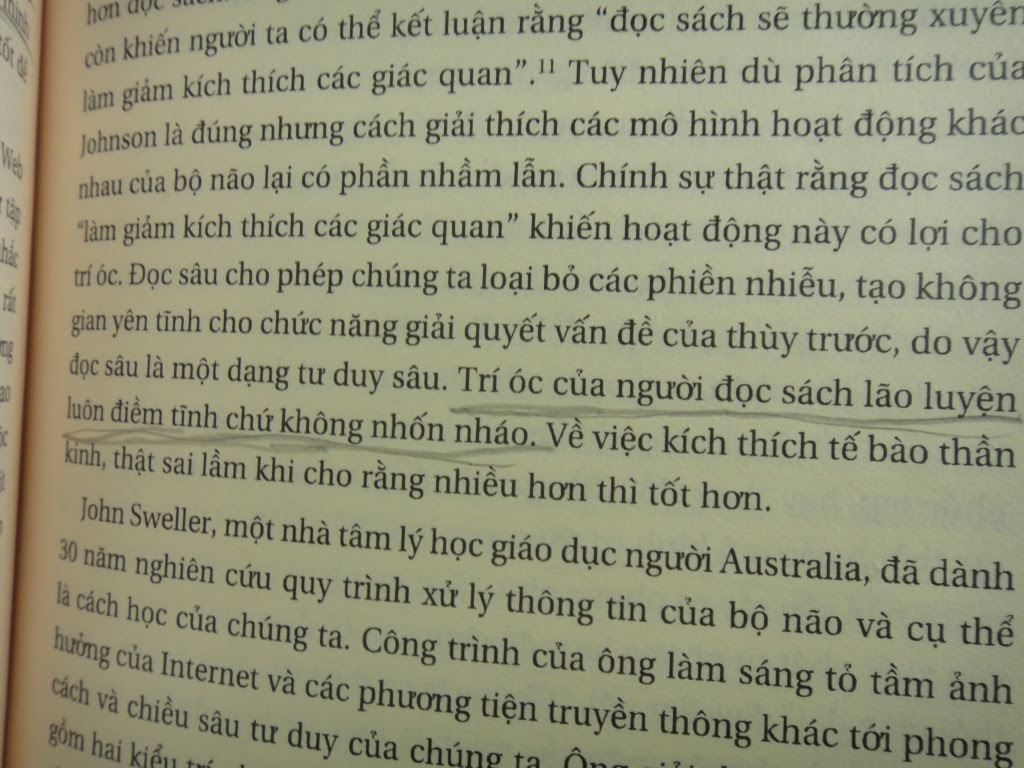 “The mind of the experienced book reader is calm, not frantic”
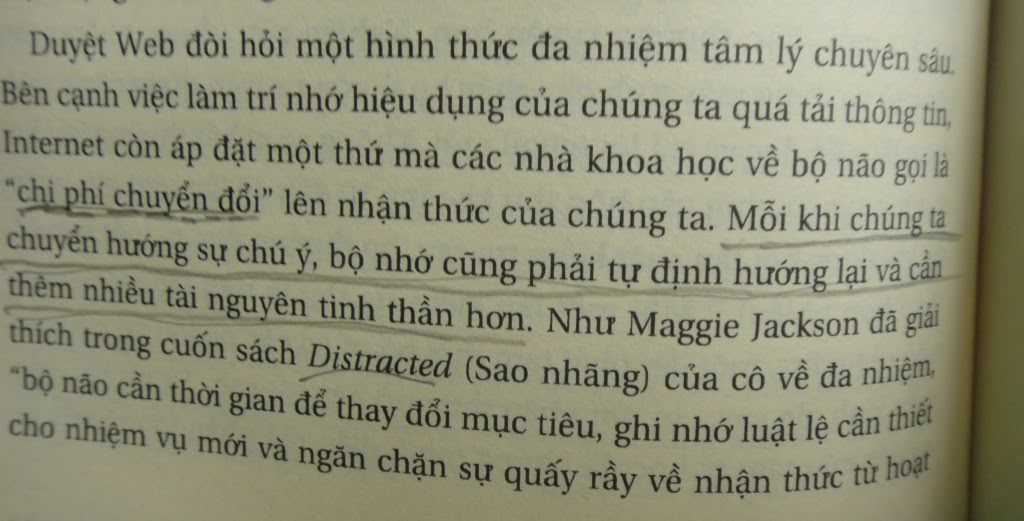 The “switching costs” every time we shift our attention
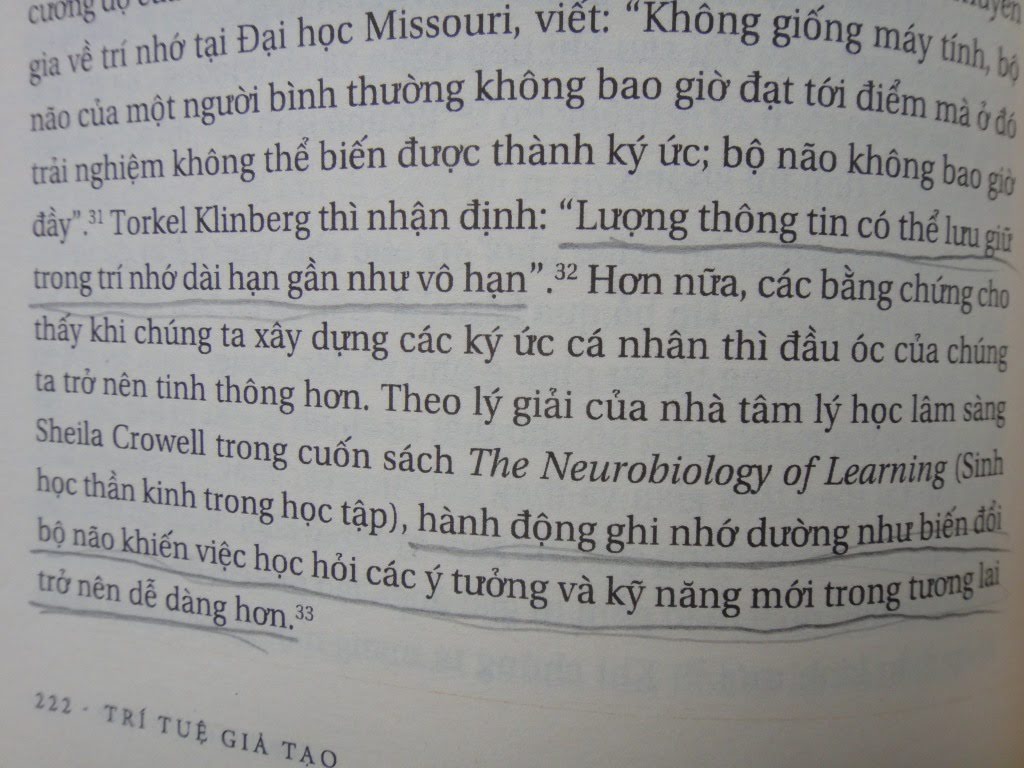 “The amount of information that can be stored in long-term memory is virtually boundless”
Translated from the original Vietnamese review. Quotes are translated back from the Vietnamese edition, so their wording may differ from the English originals. The Vietnamese title, Trí Tuệ Giả Tạo, means “Fake Intelligence”, which the conclusion plays on.