"Good artists copy, great artists steal."
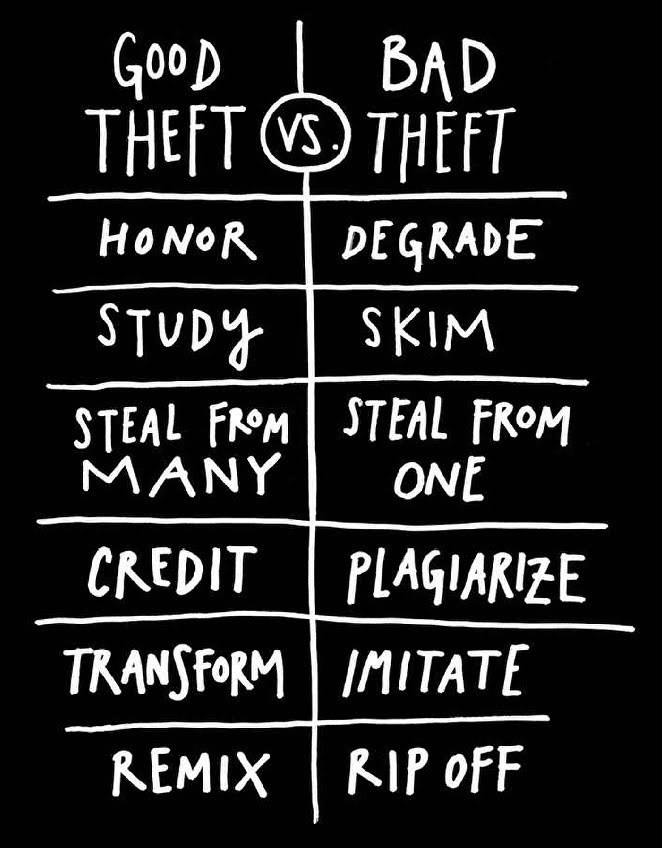
If you’re wondering why “steal”? Why “steal” other people’s ideas instead of coming up with your own? The author gives the answer at the start of the book: "Nothing is original. Every idea is a mix or a reworking of one or more earlier ideas". If you find the word "steal" hard to accept, calling it "taking inspiration" sounds nicer and more comfortable. The comparison chart alongside explains it better, but of course only a "good steal" deserves to be called "taking inspiration" :)
You are, in fact, a mashup of what you choose to let into your life. You are the sum of your influences. The German writer Goethe said, “We are shaped and fashioned by what we love.”
Digital and Analog
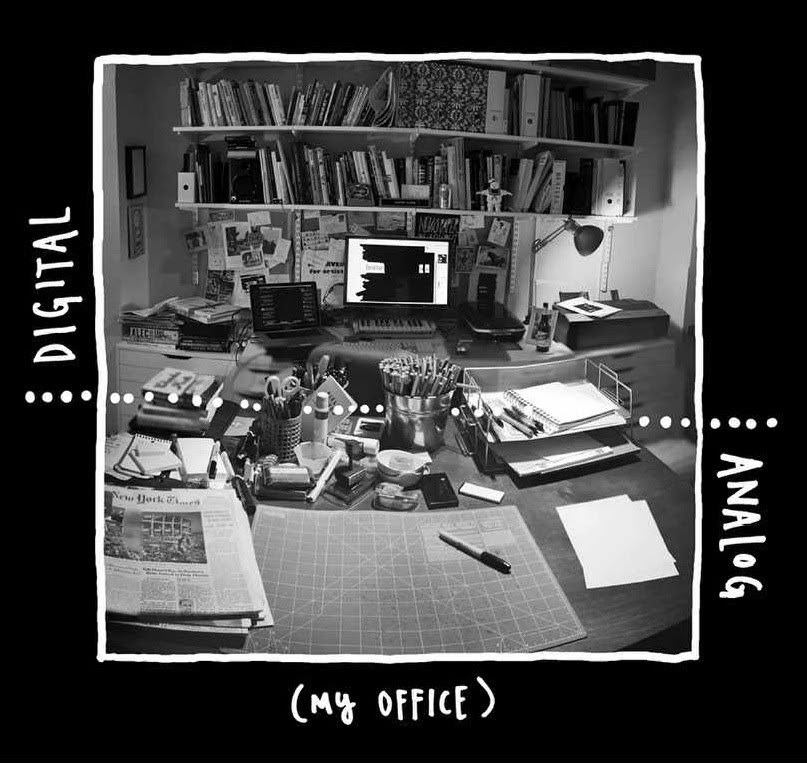
Digital means things like computers and phones... (picture a digital watch). Analog means plain things like paper and pens... (a mechanical watch, with hands).
Austin Kleon has a nice take on combining analog and digital in harmony (I’ve always liked watches that are both analog and digital too :p).
Computers are great for executing and editing ideas, but not well suited to generating them; sometimes analog tools are the more effective and more fun choice. The author also describes how he works himself: one desk for digital and one desk just for analog - analog to start, digital to edit and publish.
Why side projects and hobbies matter
If you love different things, keep spending time on them, "let them talk to each other...". You can give up a few passions to focus on just one thing, but then you’ll feel the pain.
It’s really important to have a hobby. A hobby is something creative that’s just for you. You don’t try to make money or get famous from it, you do it simply because it makes you happy.
Stand next to talented people
If you’re the best in the room, find another room...
You’re only as good as the people you choose to be around. In the age of technology, "follow" the most talented people - people far wiser and better than you, people doing really interesting things. Pay attention to what they talk about, what they do, what they link to...
Who you marry is the most important decision of your life. And "marry well" isn’t only about husband and wife - it’s also about who you do business with, who you make friends with, the people you choose to have around you...
Be Boring. ("Boring on purpose" - it’s the only way to get work done.)
Being creative takes a lot of energy. So it’s hard to get there if we keep wasting it on pointless things.
Creative people need time to sit around and do nothing. I get some of my best ideas when I’m bored.
I always carry a book, a pen, and a notebook. And I always enjoy my temporary solitude and captivity.
The art of holding on to your money is saying no to consumer culture.
Be comfortable with being misunderstood, disparaged or ignored - the trick is to be too busy doing your work to care.
Some other good quotes:
There’s no pressure when you’re unknown.
Think about what you can share that might be of value to others. Share a nice trick you discovered while working. Or a link to an interesting article. Mention a good book you’re reading...
Surround yourself with books and objects you love. Put a few things on the wall. Create your own world.
In an age of information abundance and overload, those who get ahead are the ones who know what to leave out, so they can concentrate on what really matters to them... creativity isn’t just the things we choose to put in, it’s the things we choose to leave out.
Some advice may be bad. Take what you can use, and leave the rest. There are no rules. - the author’s own closing words to the book :)
Photos from the book
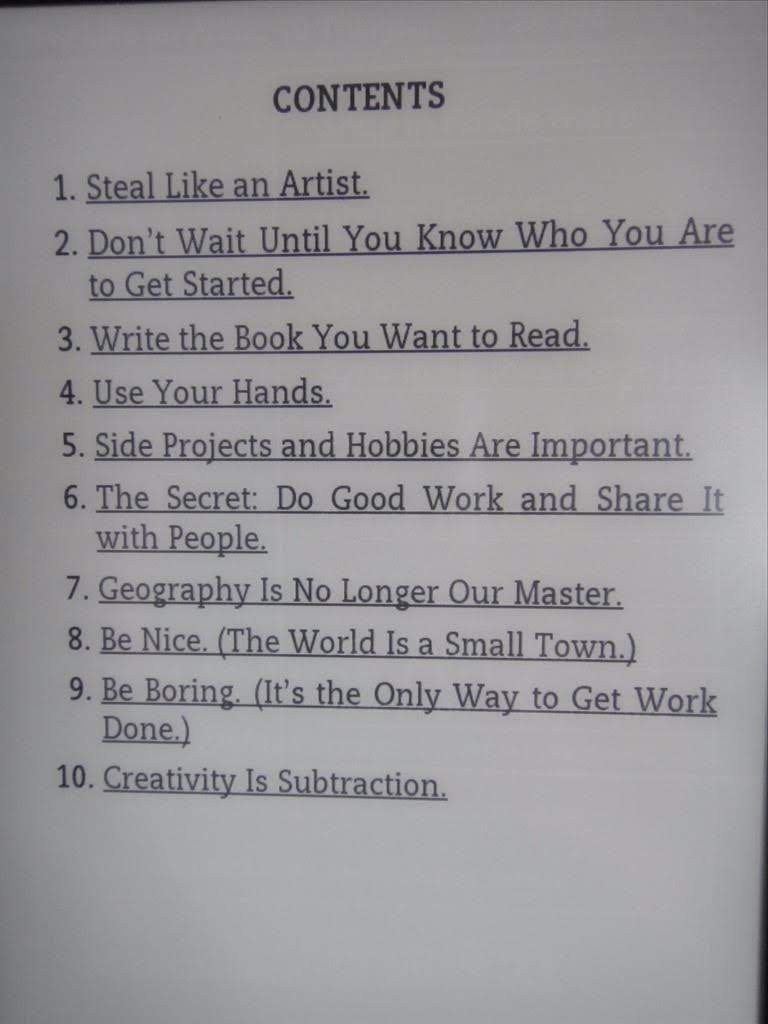 The contents: 10 things
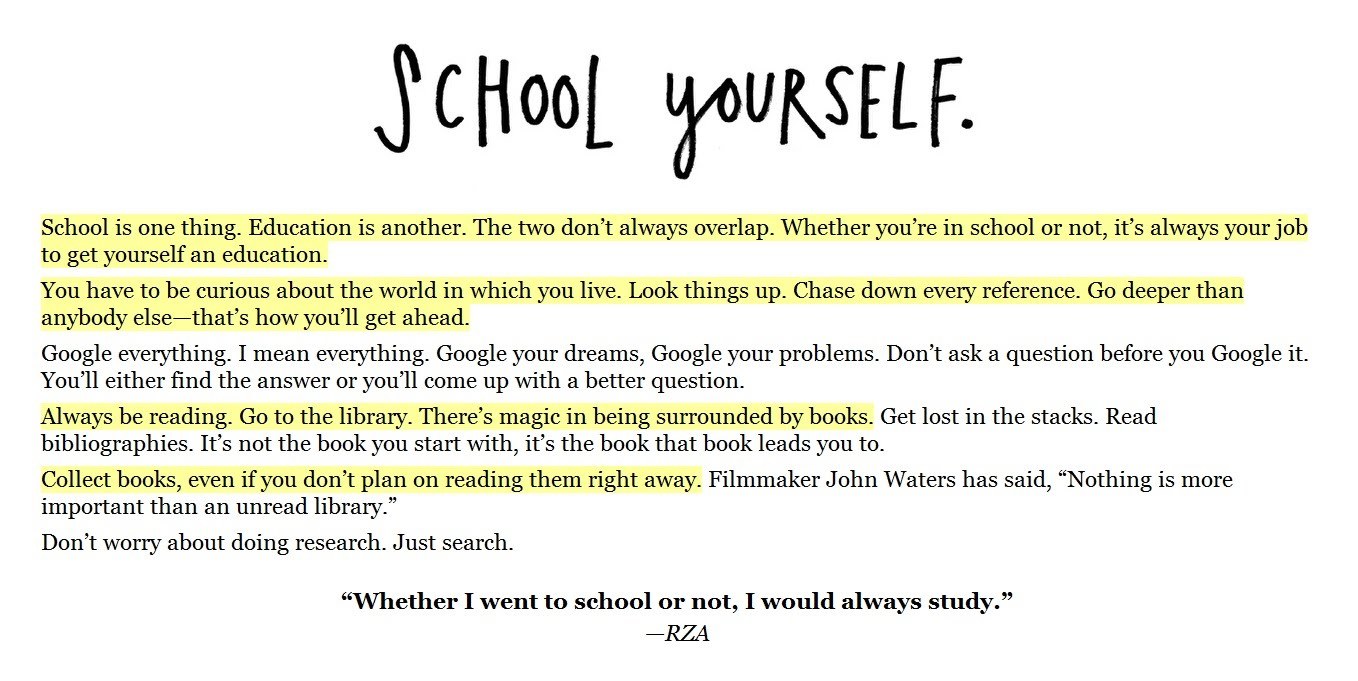 “School yourself”, with highlighted passages
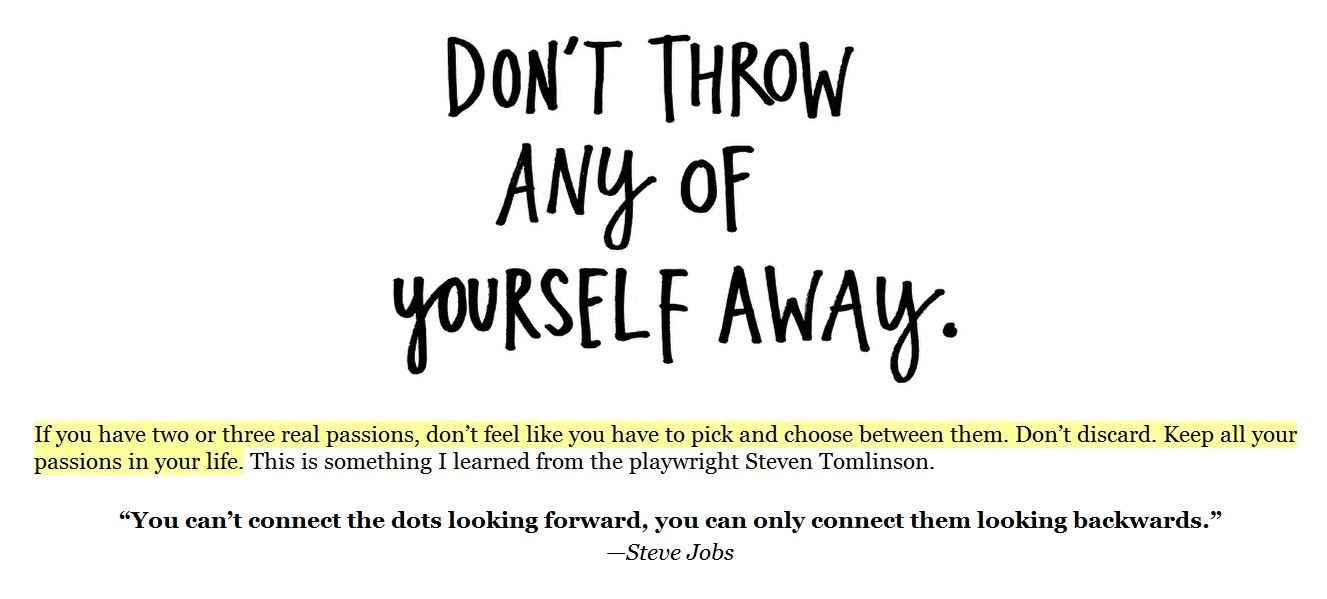 “Don’t throw any of yourself away”
 “Share your dots, but don’t connect them”
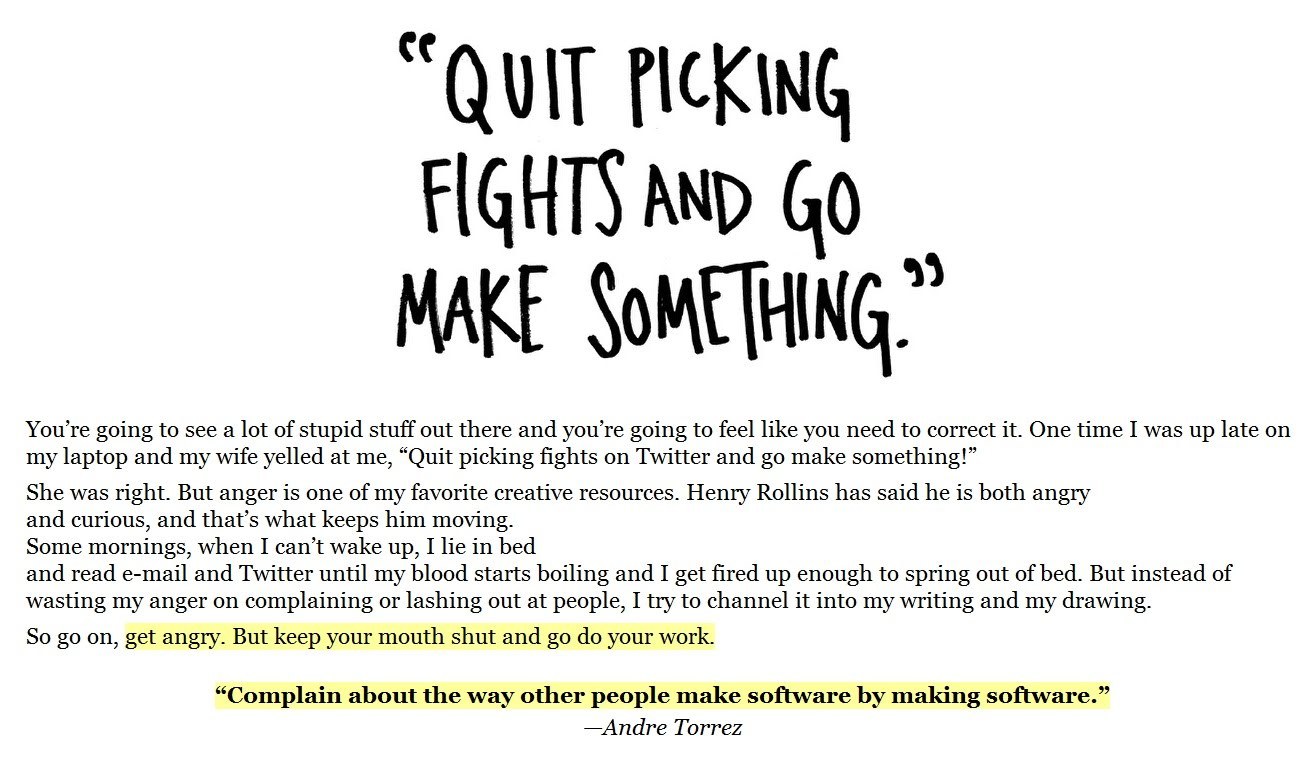 “Quit picking fights and go make something”
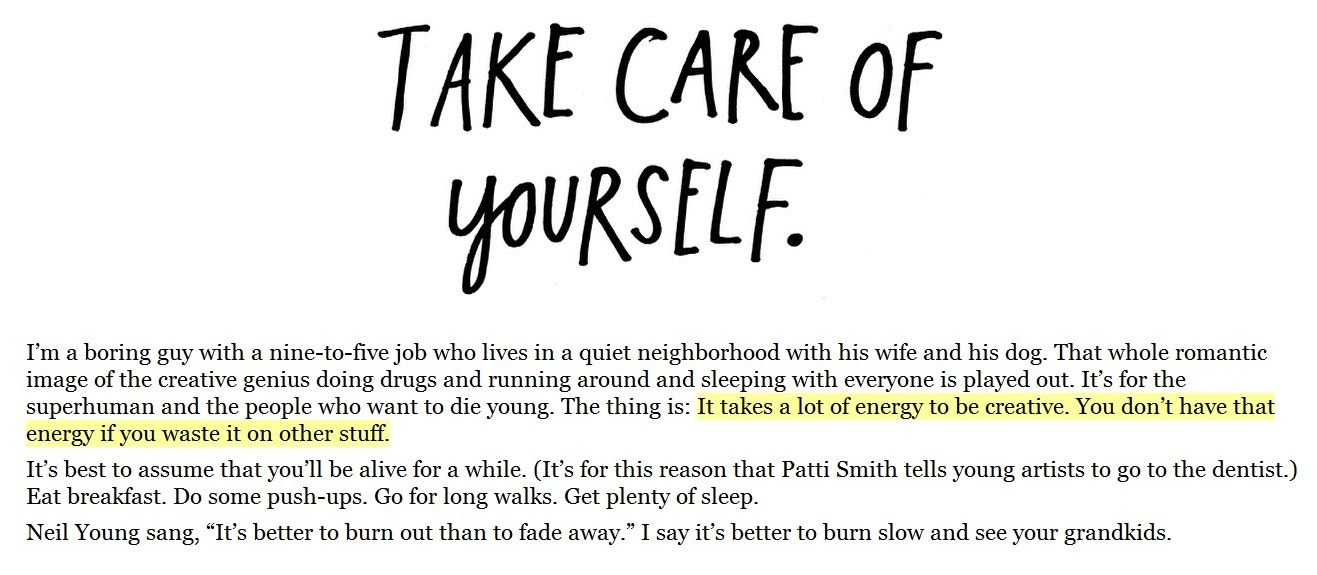 “Take care of yourself”
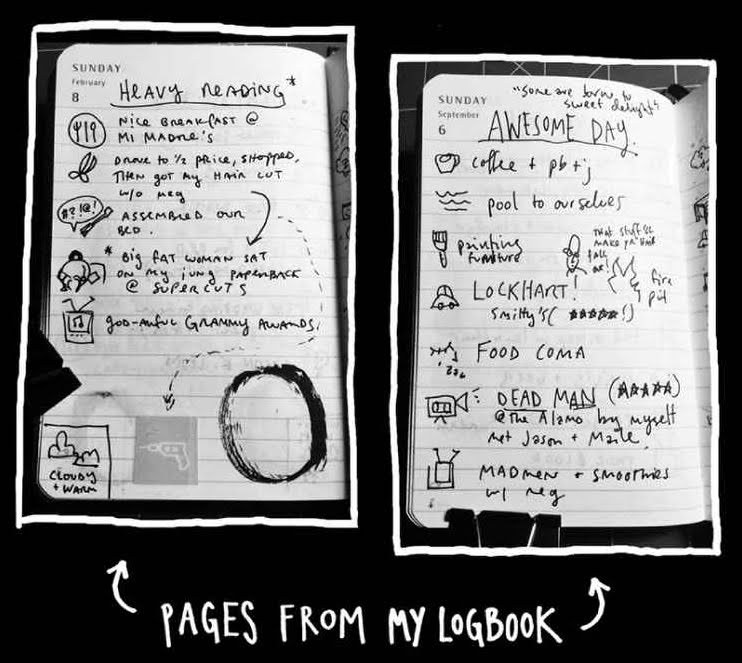 Pages from the author’s logbook
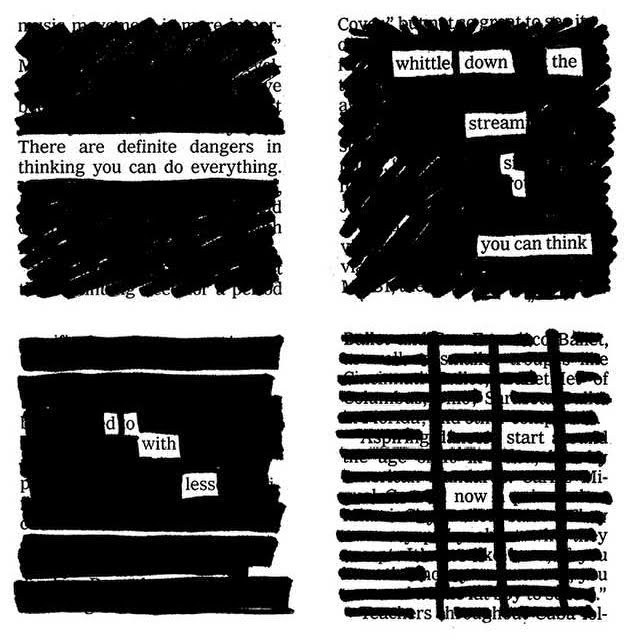 Blacking out a page, leaving only a few words
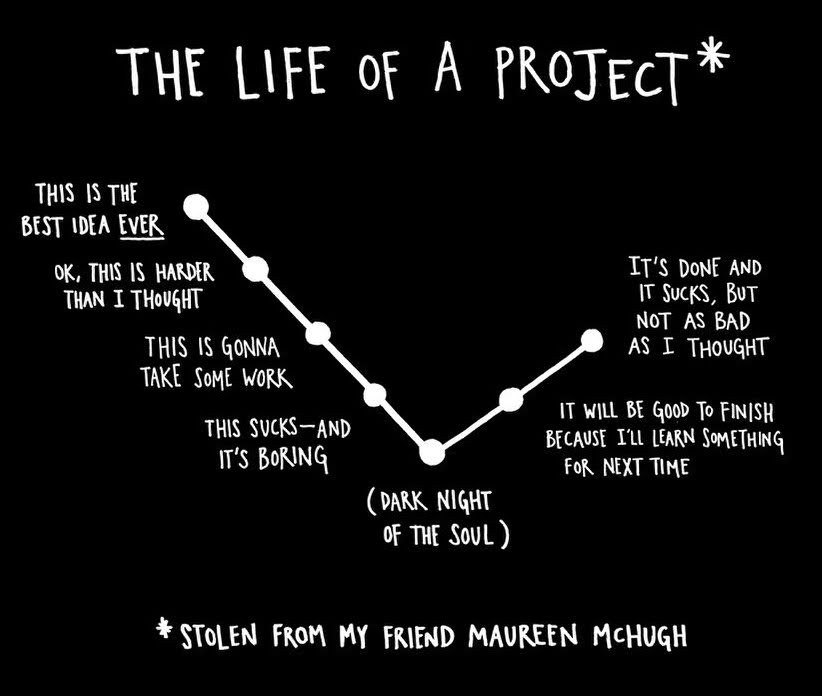 “The life of a project”
Translated from the original Vietnamese review. Quotes the review gives in Vietnamese are translated back from it, so their wording may differ from Kleon’s original.